Busy sewing bee

I joined a dressmaking course last month to help me tackle some of the sewing and upholstery projects I have lined up. I will generally have a go at most things but sometimes feel I am missing the basics and would like some formal instruction. By joining the class I hope to perfect different types of seams, get a better understanding of what my sewing machine can do, learn new techniques for making projects look more professional and generally learn the tips of the trade.

IMG_2296

Sample course work: concealed zip

Each week we are covering different seams and basic sewing skills. So far we have sewn a straight seam, French seam, jean seam, corner seam, facing, round and pointed collars, and put in a dart using tailor’s tacks. We have also looked at general machine use, measuring and cutting out fabric, seam allowances, pressing out seams and troubleshooting. During this week’s class we went through the process of adding a zip to a skirt – using both machine and hand tacking, a close top stitch and a ‘quick unpicker’ to reveal the concealed zip.

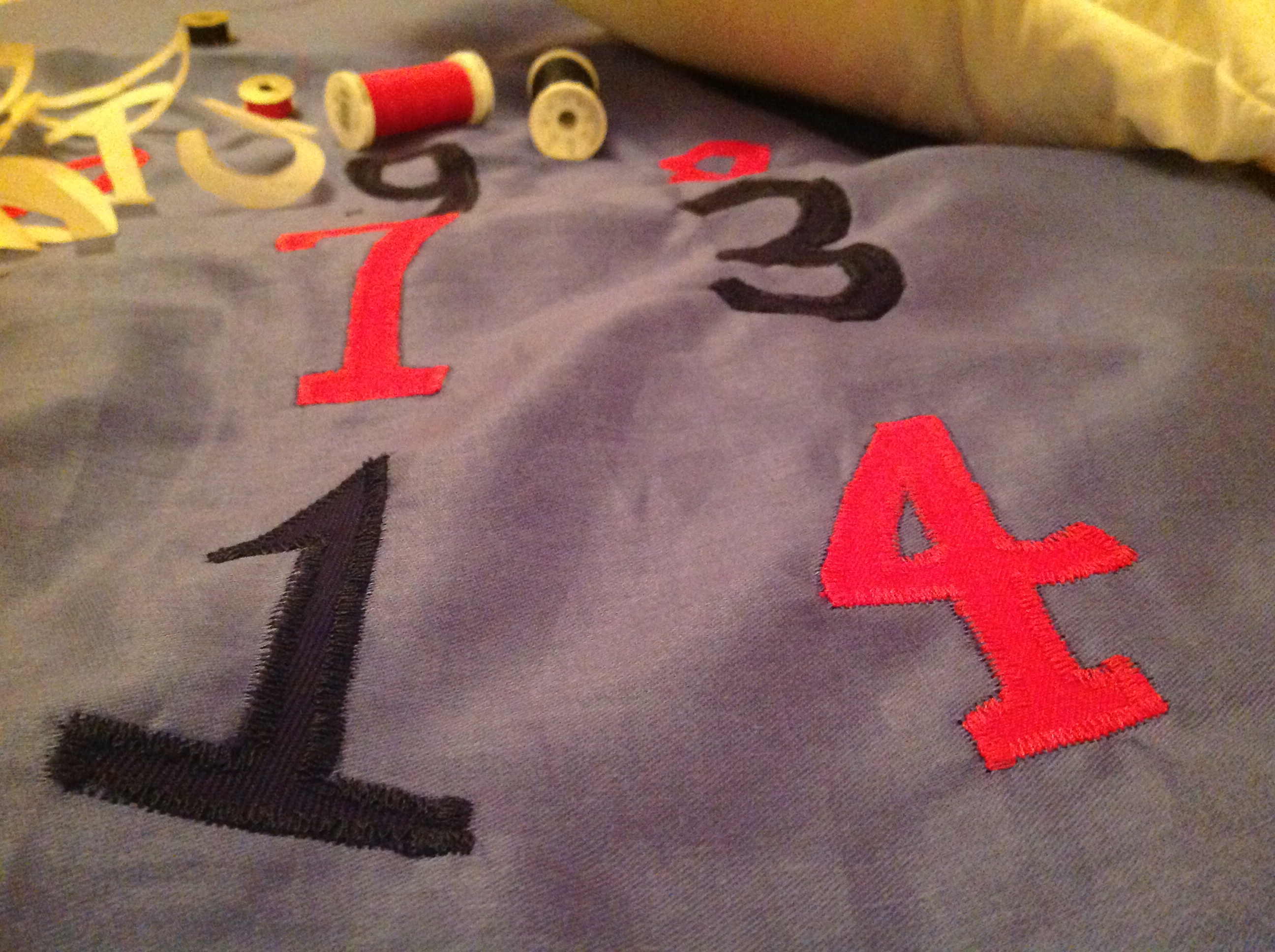
I have already taken on board this zip technique because over the weekend I needed to make my nine year old nephew a maths-inspired cushion for his bedroom. Before assembling the zip-linked panels I cut out a series of number templates based on images I found on the internet and used a wide zig-zag stitch to fix them to the front panel using the same colour cotton thread.
IMG_2361

Attaching numbers

A cushion, it seems, is no more tricky than a skirt; you just have to remember to open the zip before you sew the remaining three sides!

Now that’s done it’s time to tackle the padded cushions for the outside wooden chair – I keep putting this project off because I need to find an implement to cut through foam. Apparently an electric carving knife (used for cutting the Christmas turkey) works well. I will report back soon on that particular success (or failure)! SCH
Upholstery course: day one

Given my penchant for auction bargains, I have been really keen to learn the skills involved in furniture upholstery. I often see tired looking sofas, chairs, stools, etc. that have lovely forms but have seen better days; wishing I had the confidence to buy them and transform them into something incredible.

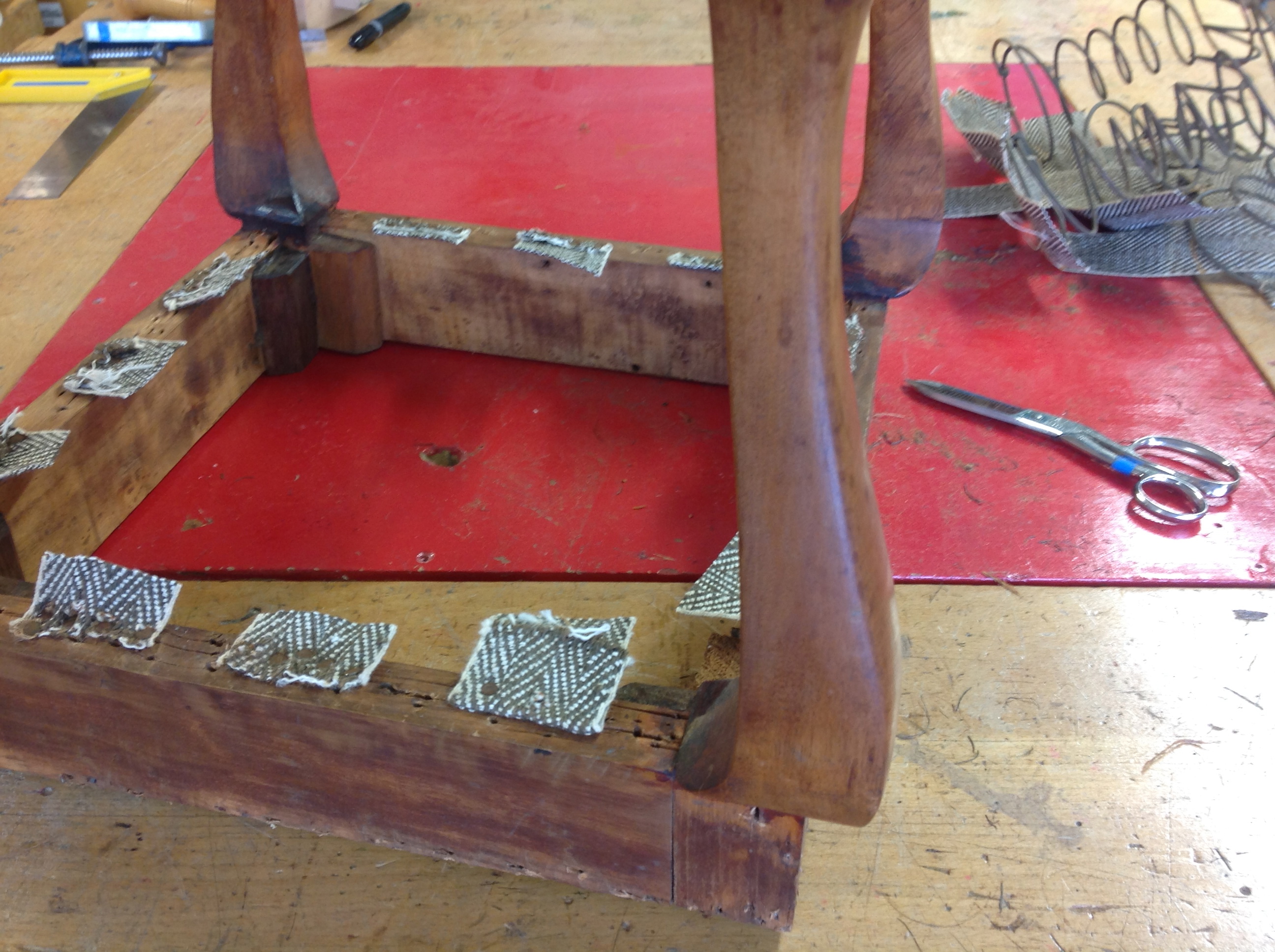
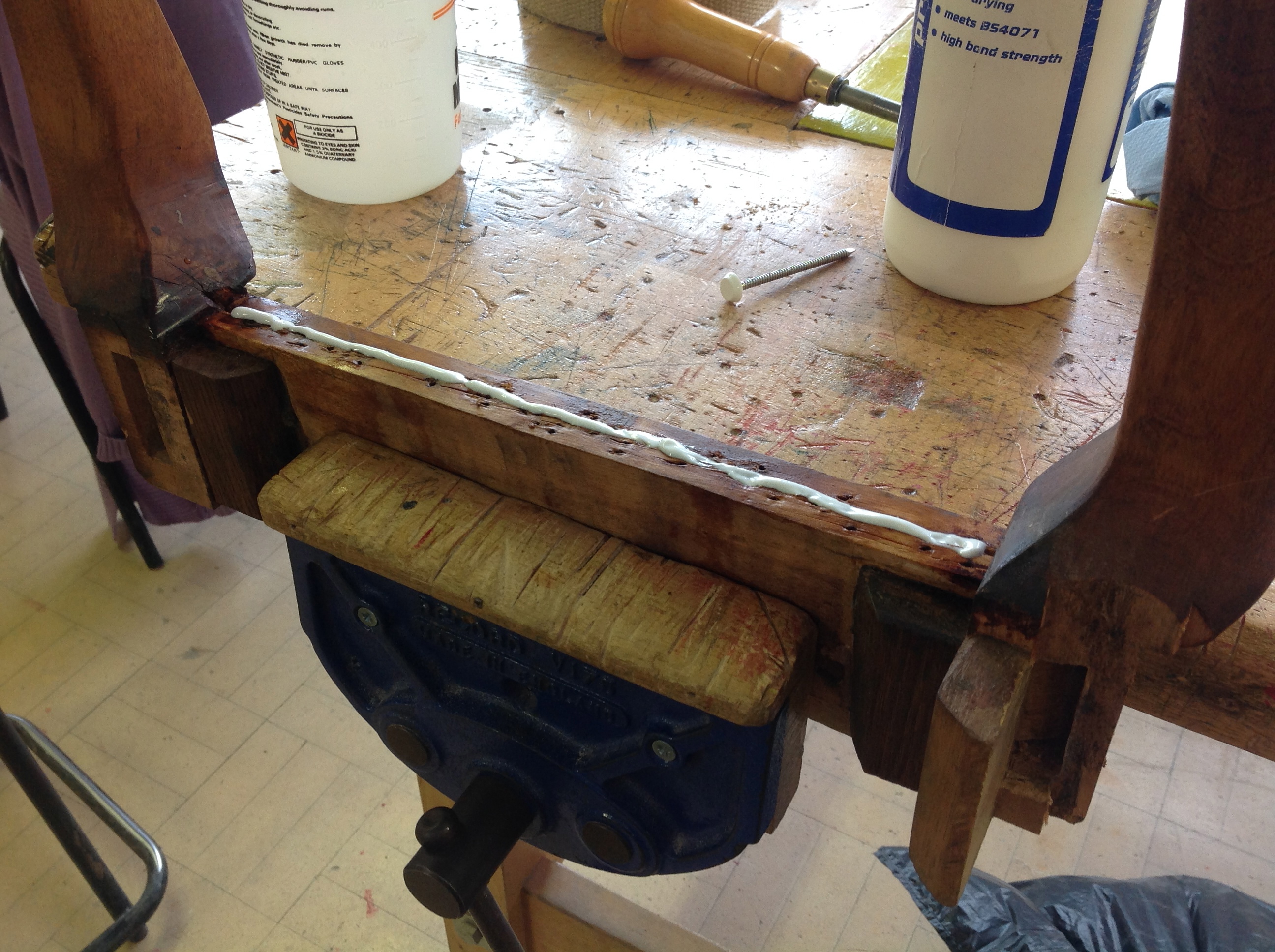
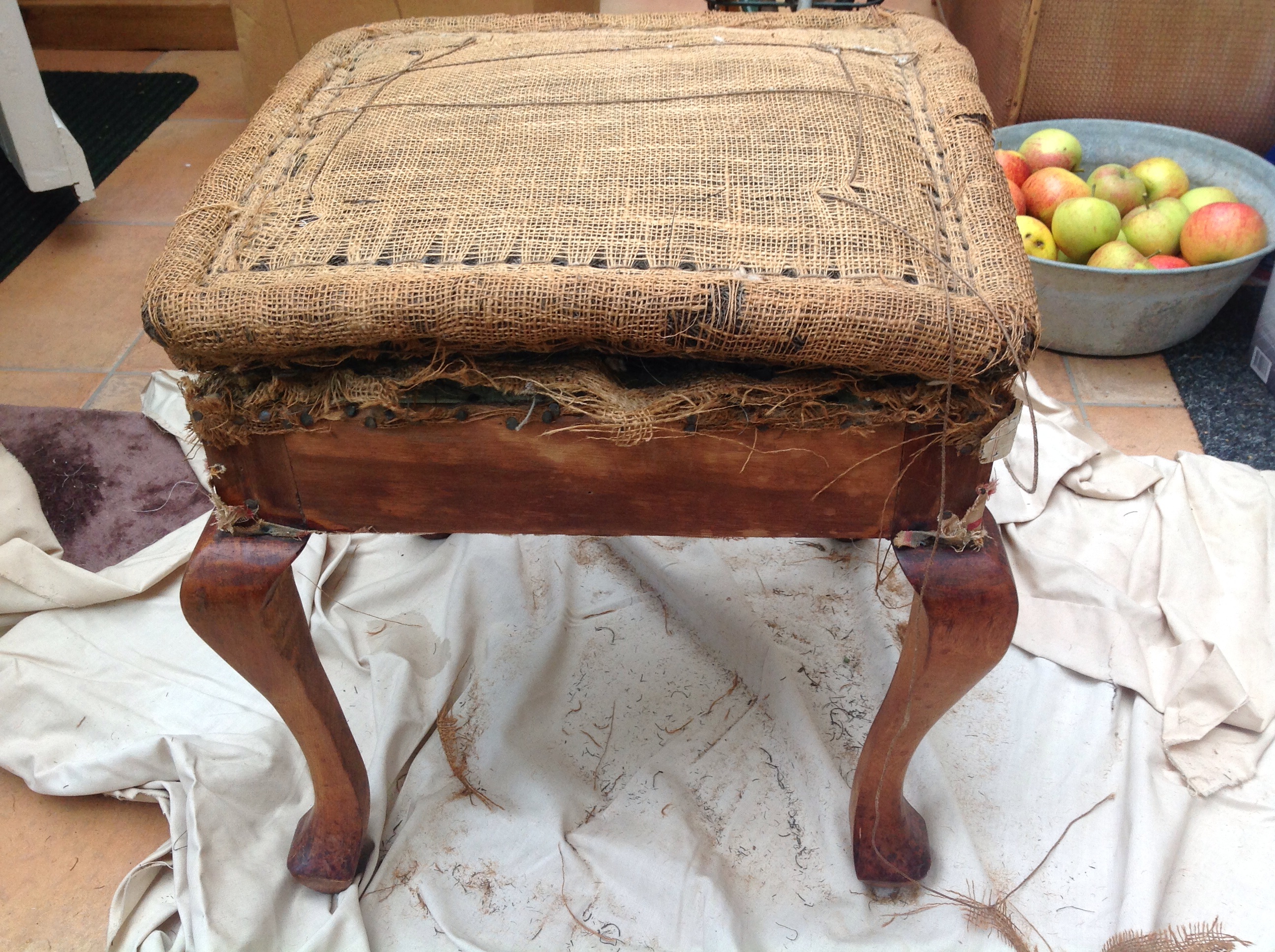
On Saturday I was given that chance at a local one day workshop. I was asked to take along a small project so chose a small stool with Queen Anne legs and a sprung seat. The fabric was long gone and the stool looked a sorry state so most of the day was spent removing tacks, mending the woodwork and bandaging the wood so it was ready to take more staples and tacks. Here are some photos from the day… there’s still a lot to do including seven more layers until the stool resembles the original. The final fabric seems to be incidental!

image  IMG_2218  image  IMG_2255  image  IMG_2261  image  IMG_2273

I now hope to attend a multi-week course so I can finish the stool and move onto other projects that may benefit The Little Grange. SCH

Learning new cookery skills

I love food… everything about it.  I love to eat it, I love to look at it, and I NOW love to cook it.

I say ‘now’ because until recently I was a pretty bad cook. I used to grab whatever was called for (if I even bothered looking at a recipe), hack a few things into smaller chunks and then spend 80% of my time in front of the cooker moving whatever was in the pan around in circles until it looked vaguely warm enough to eat. The end result: something uninspiring, usually coldish, and nine times out of ten, tasteless.

That was until I booked myself on a five day course in Devon to learn the basics. The course was aptly named: ‘Foundations in cookery’ and was run by Ashburton Cookery School. I took myself off with the aim of having a bit of fun, maybe meeting some nice new people and perhaps even taking home a few tips and tricks.  What I found when I arrived was far beyond my expectations: an extremely professionally run operation where tutors are former (and existing) chefs and the kitchens are state of the art. Each person has their own work station and you quickly learn how important discipline is in the kitchen… from dealing with knives to keeping your area clean to working with others.

IMG_0574 2

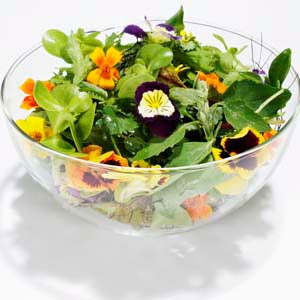
Seasonal herb salad with edible flowers

During the week I counted some 25 recipes that we tackled, mostly in pairs. That’s around five a day (and we mostly ate what we made)! I learnt numerous invaluable skills such as basic knife handling, ideal cooking times for vegetables (and the different ways you can cook them), sauce bases, stocks, preparing and cooking meat and fish, as well as how to make different types of pastry.

I wouldn’t say that I am now an amazing cook, but I have the confidence to look at a recipe and actually know what the words mean. I can experiment a bit knowing that certain flavours go together, all the while tasting and seasoning and tasting again so I can achieve the perfect result. In essence, the whole experience has got me back into the kitchen and it has helped me to improve my timings… I now understand that around 80% of my time should probably focus on preparation and, if I’ve got that right, the rest should be much easier.

Simply put, the team at Ashburton have de-mystified the art of cooking and have taught me an invaluable skill that I can continue to use and practice in the weeks, months and years to come. SCH