Practical garden design

I have been thinking a lot about garden design recently. True: the RHS Chelsea Flower Show was on TV and was as ever full of great ideas, but it’s the practical side of design that prompts me to write.
IMG_0905

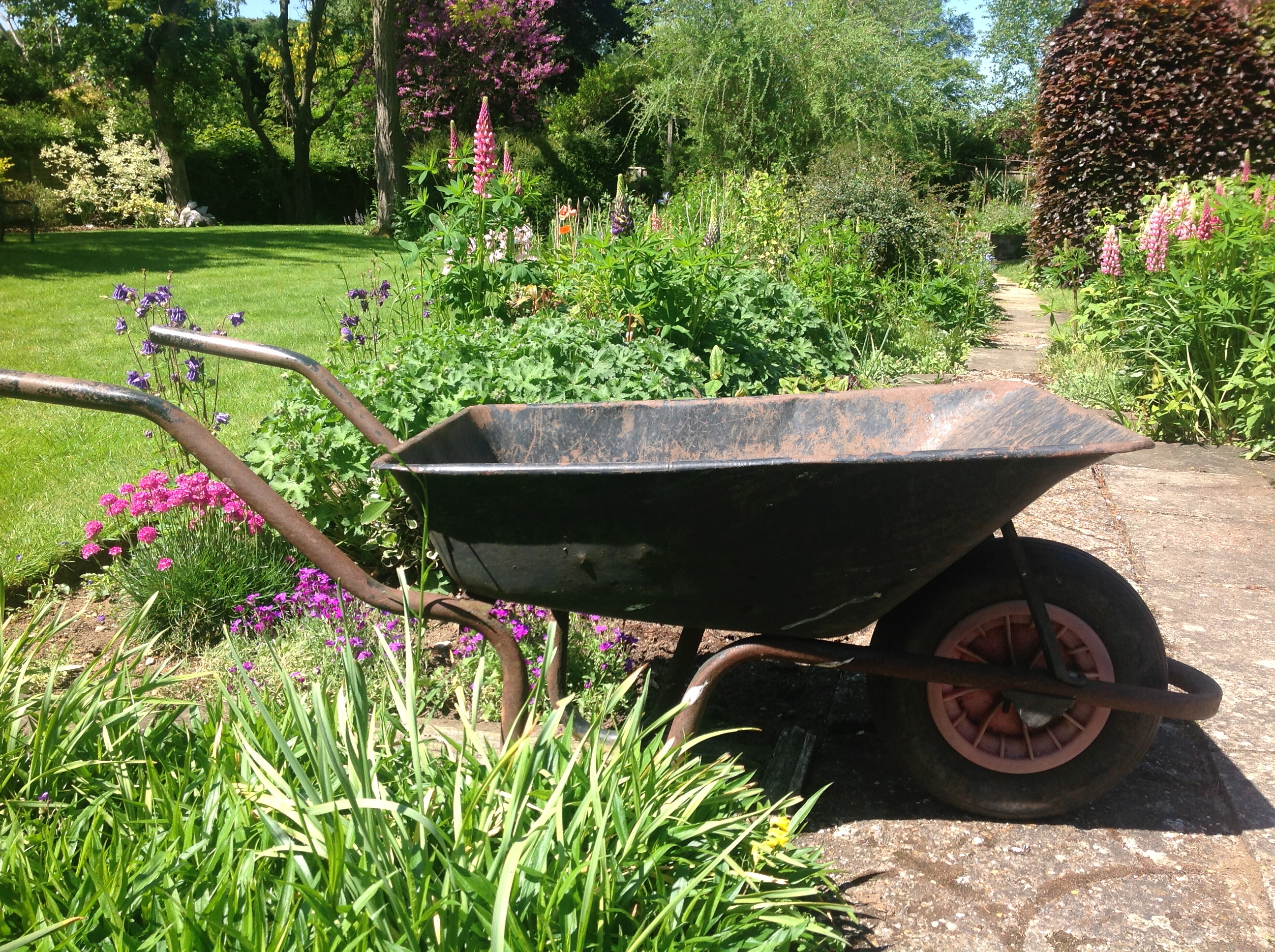
The all-important wheelbarrow

I’m the first to admit to loving symmetry and tidy borders, but the day-to-day need for a variety of garden tools, sacks, pans, compost and water has made me realise that I am going to need a garden that ‘works’. Add to this the busy running of a B&B and you soon realise efficiency is going to be key!

We have been extremely fortunate to have had seven days of uninterrupted sunshine which has been instrumental in helping clear many an important seasonal job. I’ve spent hours trimming lawn edges, staking and trimming overgrown hedges, heaving compost into bags, weeding flower beds, potting up summer plants, thinning out vegetables and herbs, scrubbing moss off the old patio, and brushing down garden furniture… the list goes on and there’s always that unexpected job each day. But the point here is I’ve probably spent half the time traipsing backwards and forwards collecting or depositing ‘things’!

So in considering the workability and aesthetics of the garden at The Little Grange, here’s my practical design priority list:

1. Water butts in a variety of locations (fed by guttering from house, greenhouse, etc.)

2. Greenhouse for growing on new plants and for winter pot storage; ideally with a built-in earth bed

3. Tool shed attached to greenhouse as well as a similar storage solution closer to the main house

4. Potting shed attached to the main house

5. Kitchen garden within easy reach of the main house

6. Duplicates of key tools for those jobs that take you to the far end of the garden

I will keep an eye out for bargain buys at my local auction since there seems to be a constant stream of old tools, garden pots, lawn mowers, ladders, etc. You never know, I might even find that all important garden shed! SCH

Apron making

On Monday, given the bank holiday weekend, I went along to our local market to buy some off-cuts of fabric.  I wasn’t quite sure what I was looking for or what I was going to make but soon found a variety of lightweight, pretty prints. I chose three colours of gingham, a beige polka dot print, pink floral and a nautical boat print.

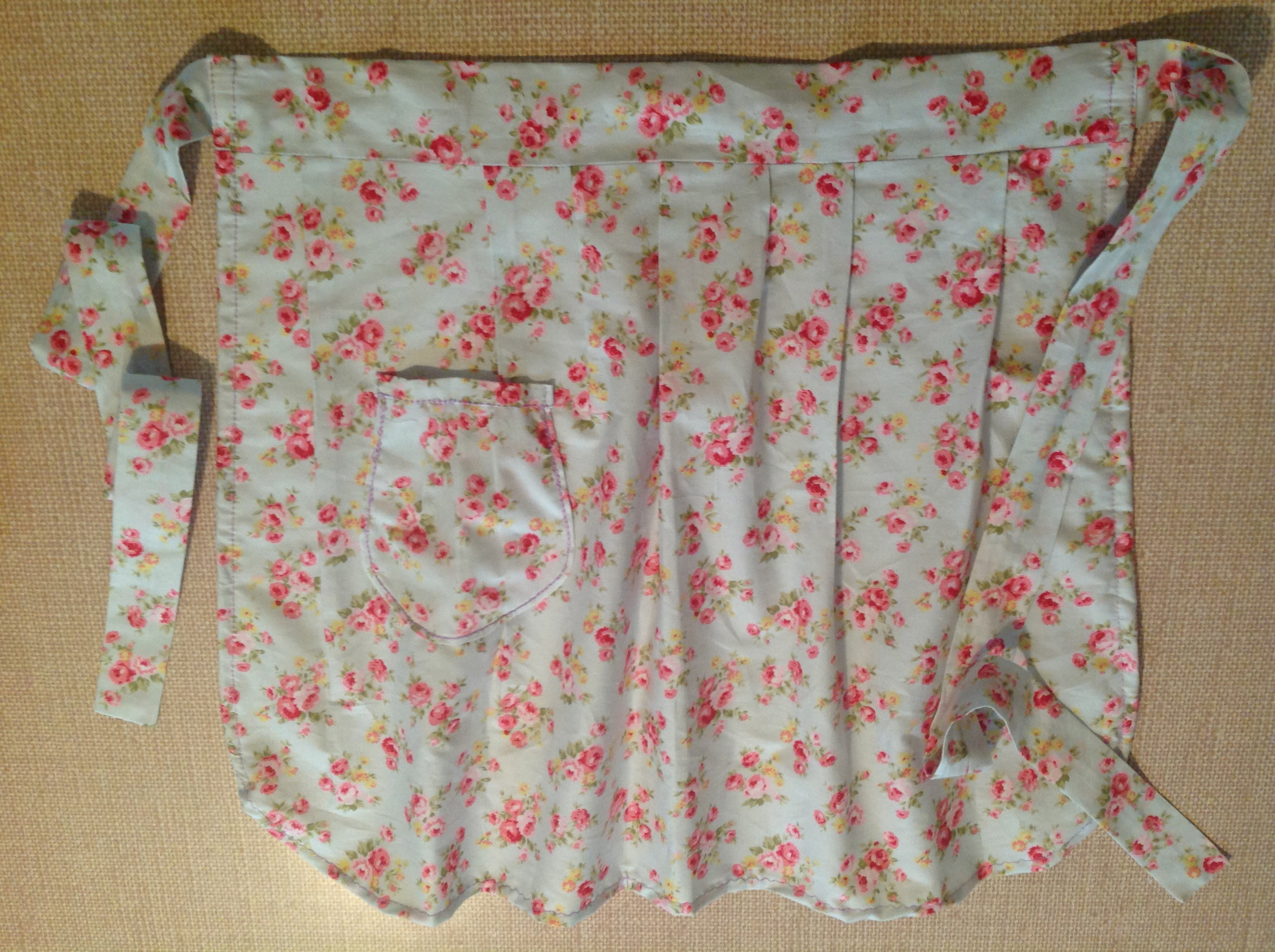
By chance, the next day I was looking through the kitchen drawers for a tea towel and found a number of old aprons (long and short) from around the 60s which got me thinking… would the floral print work as a short apron?  It would need to be lined as the material was so flimsy, but it would be a relatively straight forward and personalised project for would-be crafters.

So here is the result: a few hours of measuring, cutting, pinning, ironing, sewing and finishing:

IMG_0872  IMG_0876  IMG_0879  IMG_0877

The materials and skills required to make this apron will be covered in the very practical Sewing (garments and gifts) course. SCH

Renovation of the linen press: before/after shots of pine drawers

I decided this is the week to begin work on the linen press… the sun is shining and there is no chance of rain!

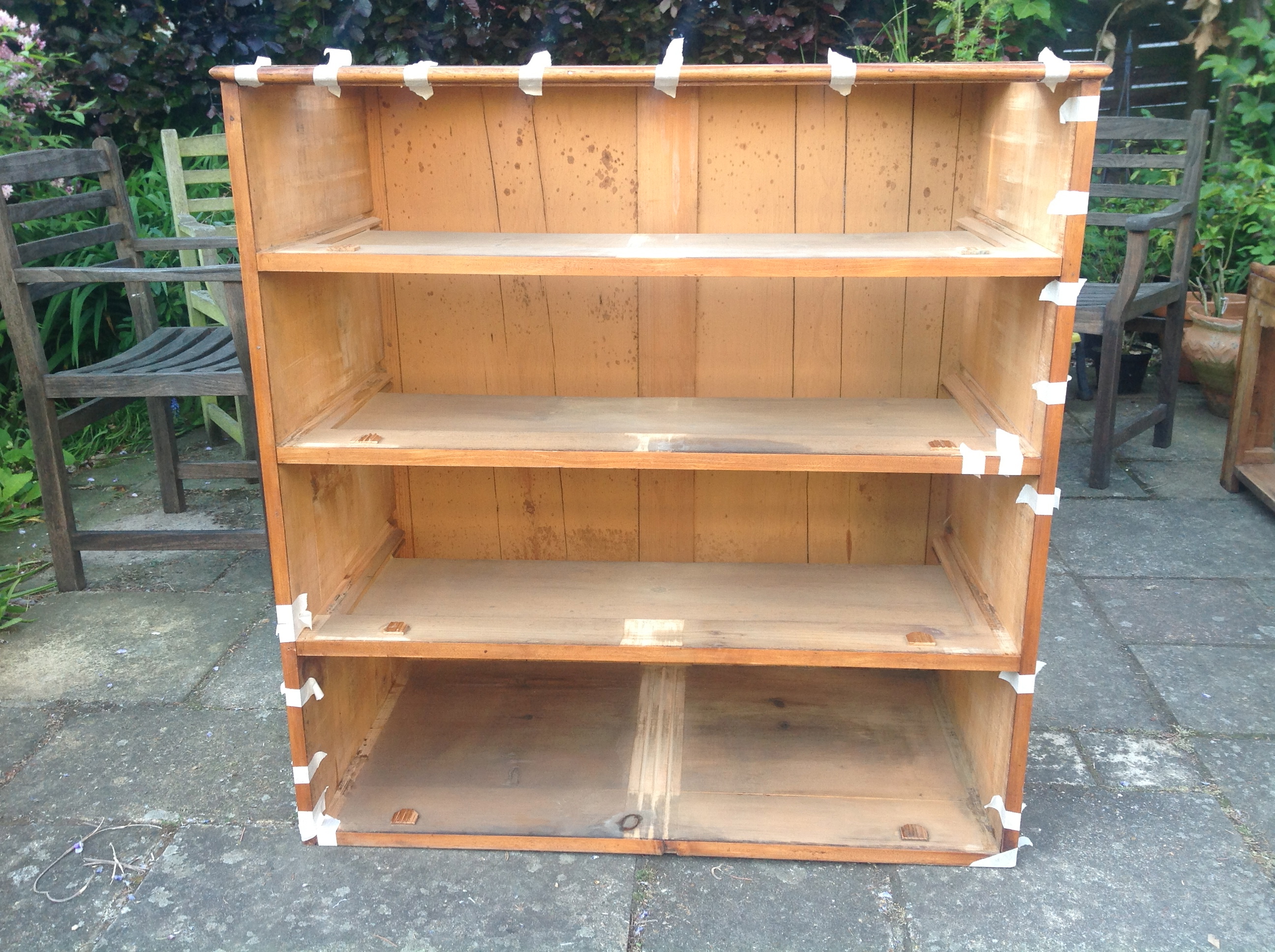
The overall condition of the wood wasn’t too bad but there were certainly bits of veneer falling off and a couple of front strips that had come off altogether (although thankfully they had been left inside the furniture). Oh, and a small case of woodworm that needed treating.

The first thing to do was give the draws and box frame a good clean with a damp cloth and a bit of elbow grease; after that I used wood glue, clamps and masking tape to fix back the veneer. Having left the glue to dry overnight, I then waxed everything so that the wood was better protected and shone.

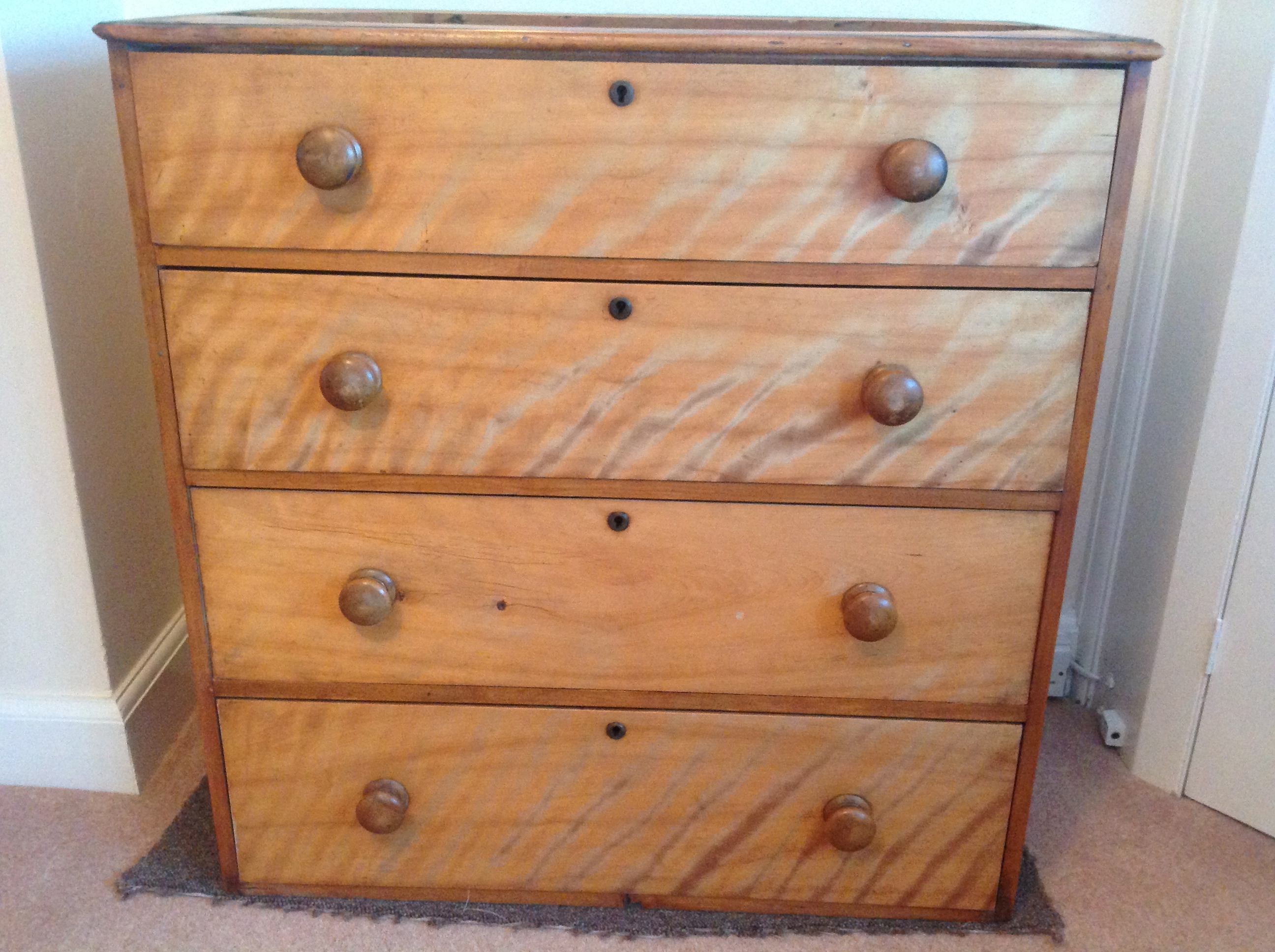
The drawers also needed cleaning inside as there was a warn blue lining in each made of paper. I used a similar method to removing old wallpaper while trying not to make the wood too wet. I am very happy with the result; the wood has a zebra-like grain running through it which makes for an interesting effect! SCH

IMG_0841  image  image  IMG_0845  IMG_0840  IMG_0828  IMG_0855  IMG_0857

Learning new cookery skills

I love food… everything about it.  I love to eat it, I love to look at it, and I NOW love to cook it.

I say ‘now’ because until recently I was a pretty bad cook. I used to grab whatever was called for (if I even bothered looking at a recipe), hack a few things into smaller chunks and then spend 80% of my time in front of the cooker moving whatever was in the pan around in circles until it looked vaguely warm enough to eat. The end result: something uninspiring, usually coldish, and nine times out of ten, tasteless.

That was until I booked myself on a five day course in Devon to learn the basics. The course was aptly named: ‘Foundations in cookery’ and was run by Ashburton Cookery School. I took myself off with the aim of having a bit of fun, maybe meeting some nice new people and perhaps even taking home a few tips and tricks.  What I found when I arrived was far beyond my expectations: an extremely professionally run operation where tutors are former (and existing) chefs and the kitchens are state of the art. Each person has their own work station and you quickly learn how important discipline is in the kitchen… from dealing with knives to keeping your area clean to working with others.

IMG_0574 2

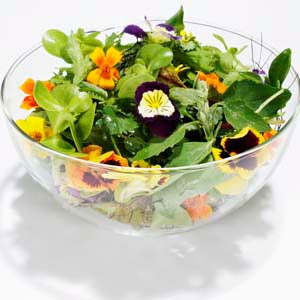
Seasonal herb salad with edible flowers

During the week I counted some 25 recipes that we tackled, mostly in pairs. That’s around five a day (and we mostly ate what we made)! I learnt numerous invaluable skills such as basic knife handling, ideal cooking times for vegetables (and the different ways you can cook them), sauce bases, stocks, preparing and cooking meat and fish, as well as how to make different types of pastry.

I wouldn’t say that I am now an amazing cook, but I have the confidence to look at a recipe and actually know what the words mean. I can experiment a bit knowing that certain flavours go together, all the while tasting and seasoning and tasting again so I can achieve the perfect result. In essence, the whole experience has got me back into the kitchen and it has helped me to improve my timings… I now understand that around 80% of my time should probably focus on preparation and, if I’ve got that right, the rest should be much easier.

Simply put, the team at Ashburton have de-mystified the art of cooking and have taught me an invaluable skill that I can continue to use and practice in the weeks, months and years to come. SCH