Early summer blooms

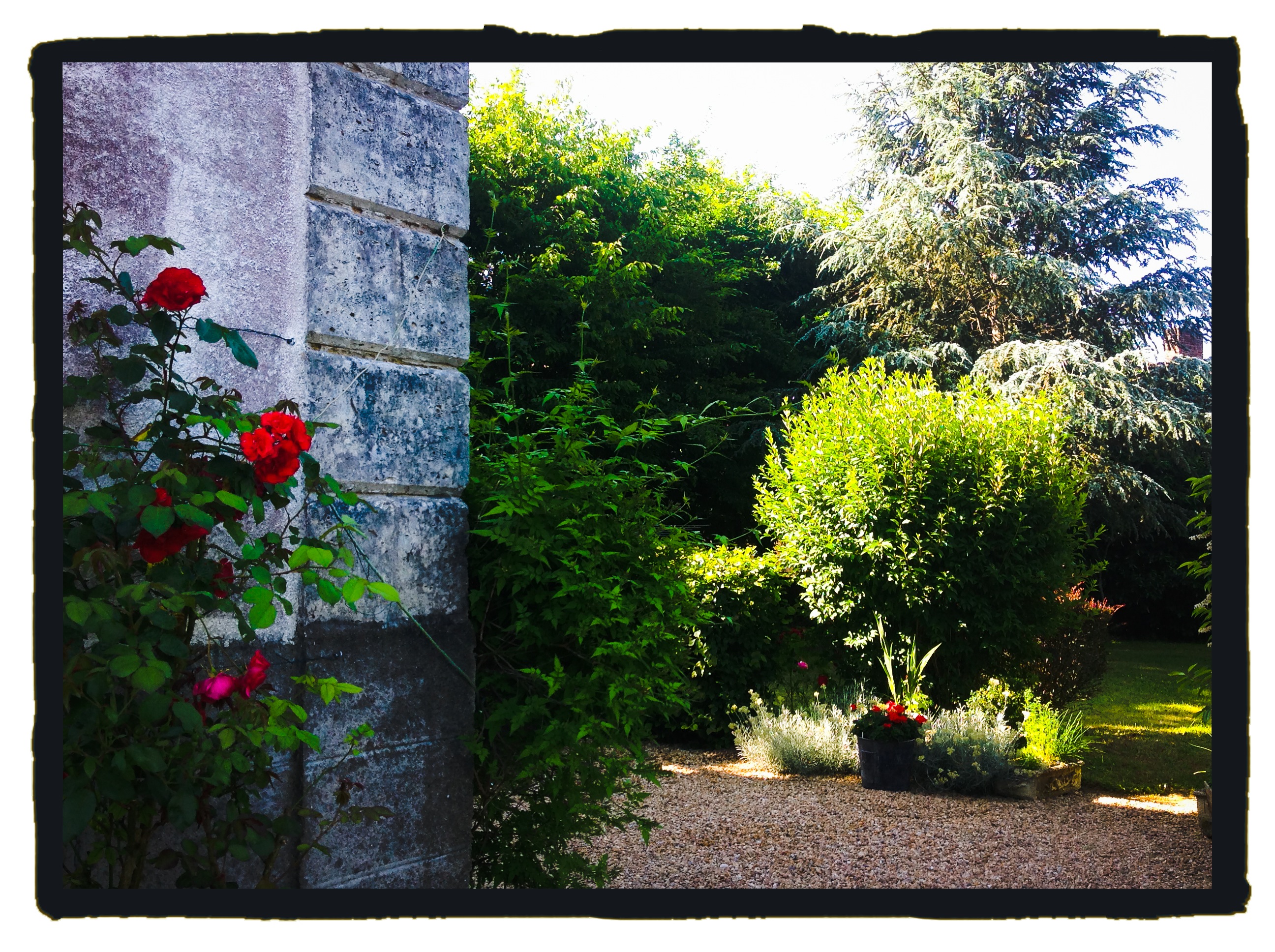
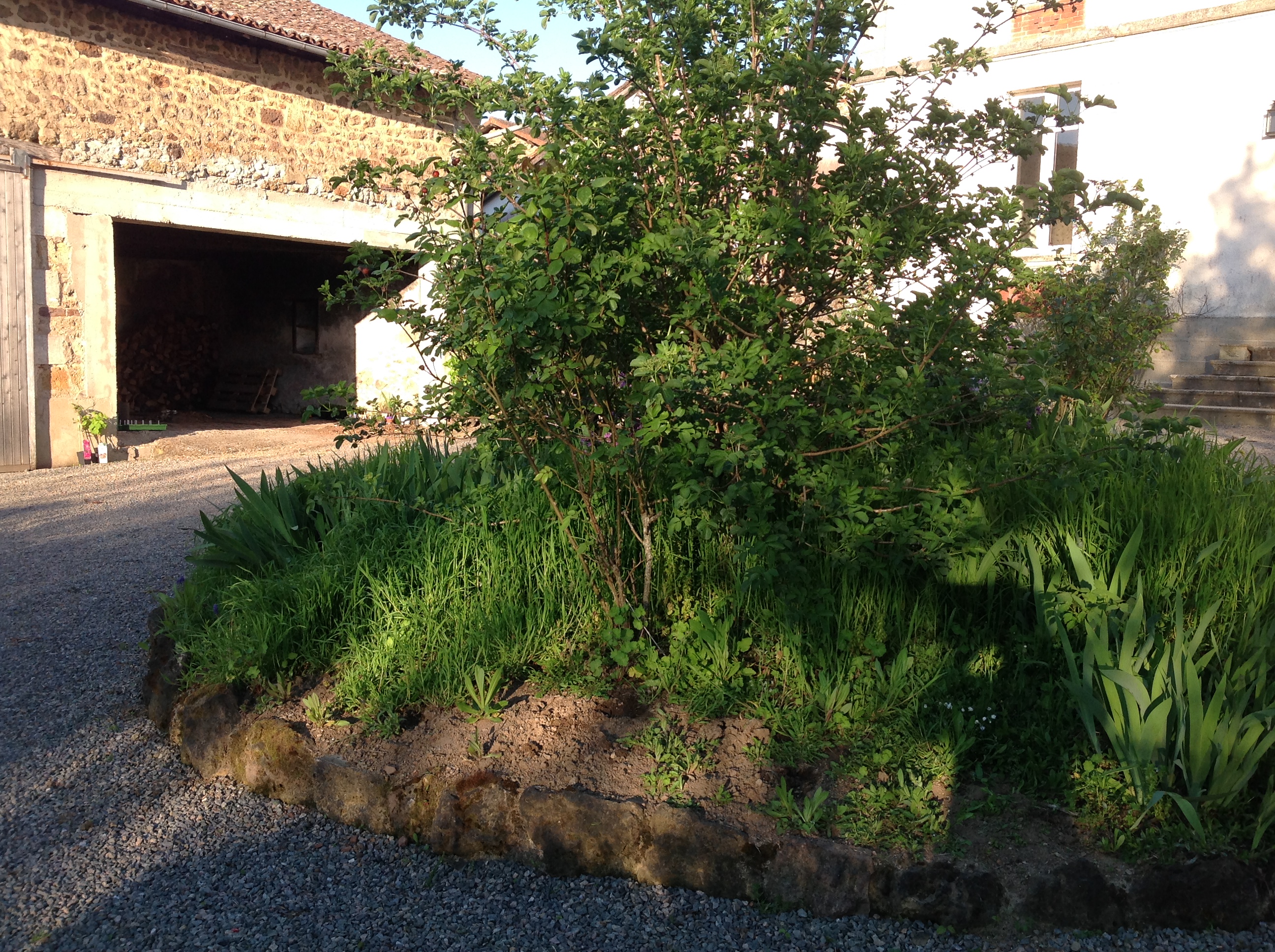
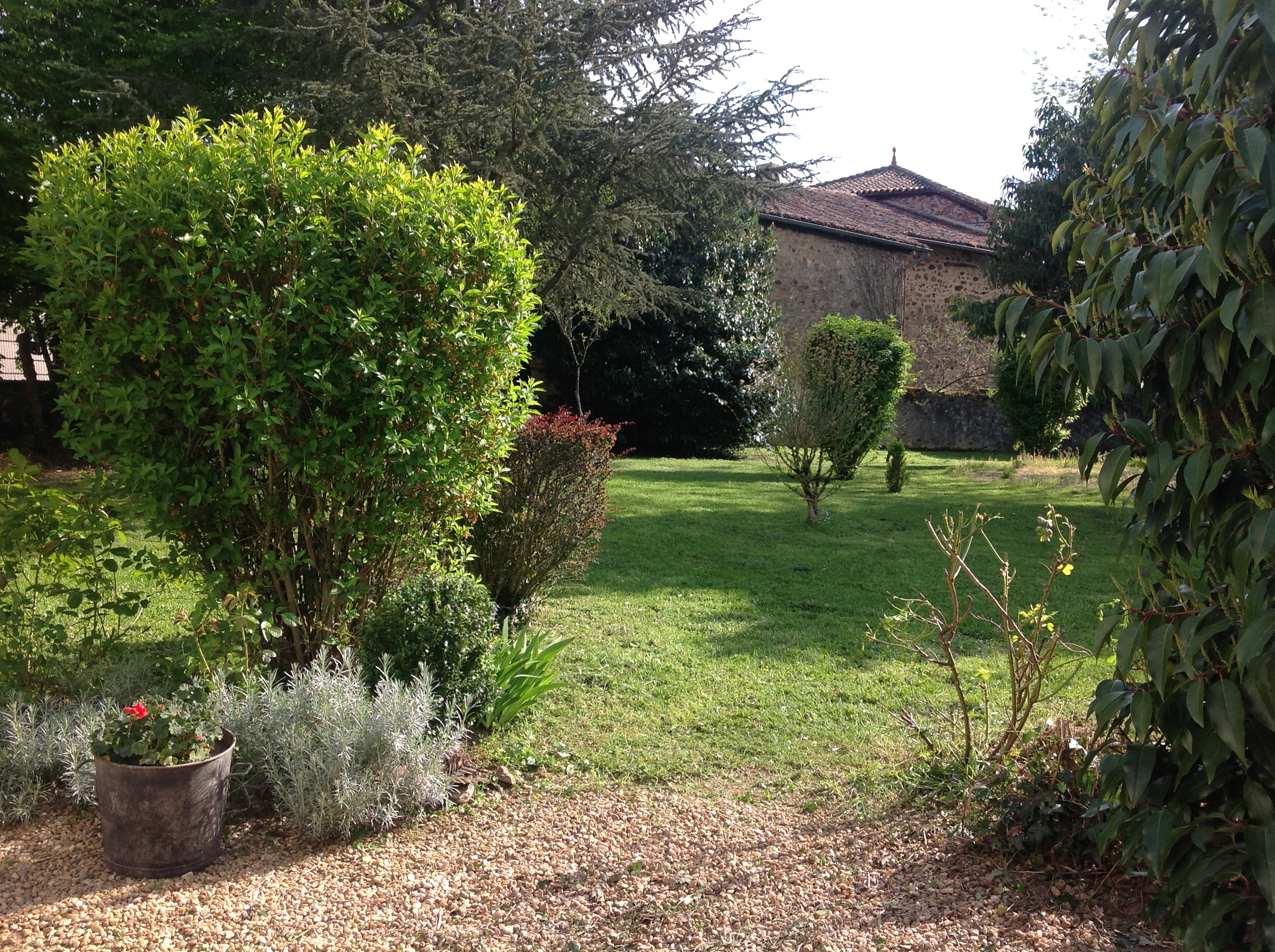
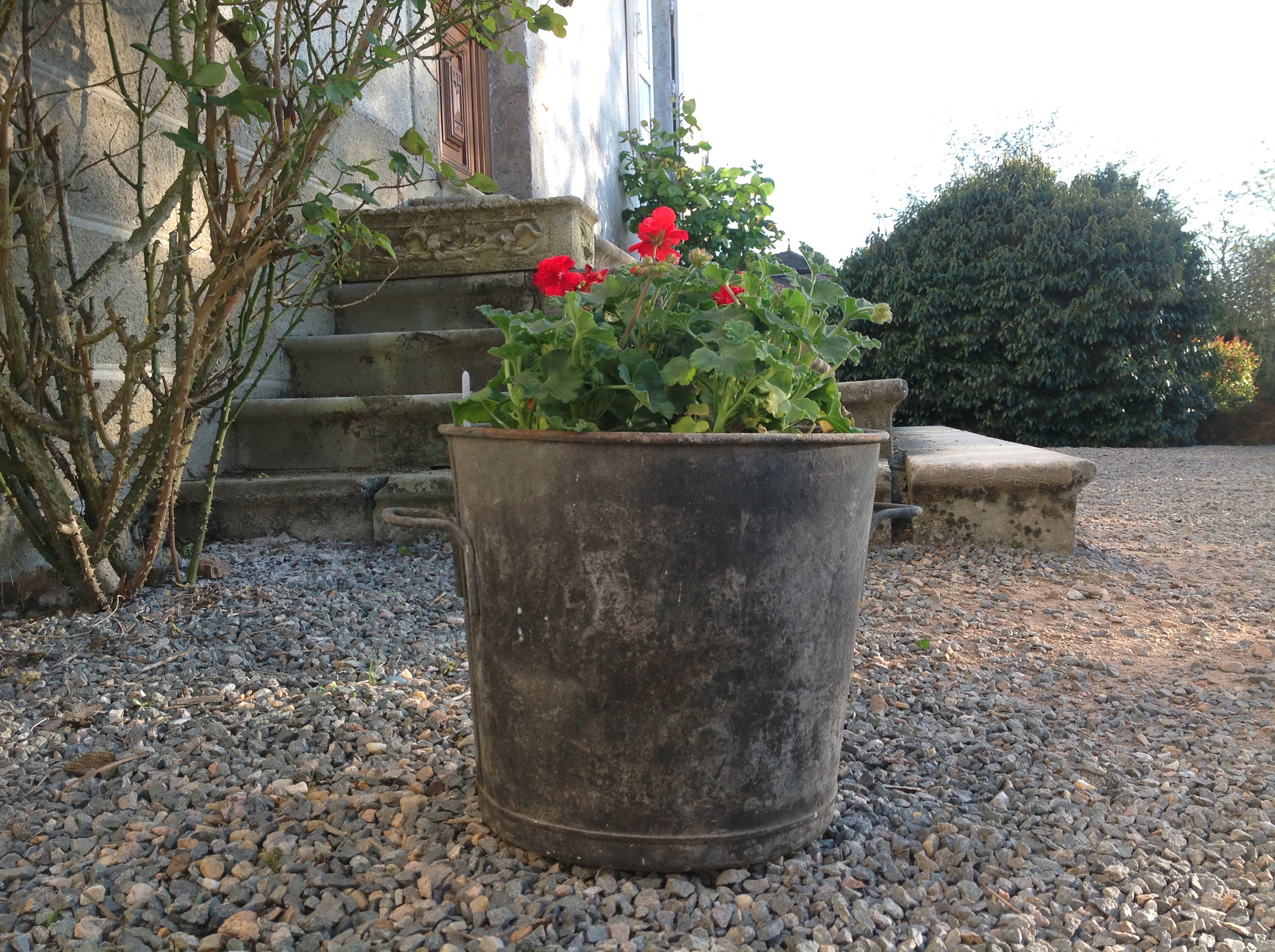
Since arriving in France there has been a steady display of flowers in the garden. The month of April gave us beautiful magnolia blooms, scented lilac flowers (pink and purple) as well as peonies and tall blue iris – all of which have made excellent cut flowers for the entrance hall, kitchen, study and bedrooms.

But it’s the roses that have taken centre stage, flowering continually with the help of regular deadheading. There are older and newer varieties in the garden: bush roses, climbing roses and tea roses. Most are red but there are a couple of pink, white and yellow rose bushes at the back and side of the house.

I was told that plants that grow well in England do very well in this region but I wasn’t quite prepared for how well. Everything seems bigger, lusher and faster growing which is quite an exciting prospect for the cutting and kitchen gardens to come. SCH

IMG_5031IMG_5030IMG_5042IMG_5044

Compost bins from used wooden pallets

We finally decided on a site for the new compost bins at Le Manoir Saint Gervais: alongside a boundary wall that gets equal sun and shade throughout the day. It will be easy enough to reach while been relatively hidden from the main part of the garden. Longer-term we hope to plant a line of vines to divide the ‘working’ part of the garden from the main grassed area.

Neighbours renovating a barn across the road very kindly provided five wooden pallets otherwise destined for the local tip. These were large, solid pallets ideal for creating two side-by-side compost bins. First we placed two against the wall ensuring adequate ventilation before adding a central divide and two ends. Next we tied all of the wooden pieces together with plastic-coated garden wire before moving the contents of a temporary compost heap to the left hand ‘bin’.

We have a small lidded compost bin in the kitchen which we have been filling religiously with vegetable peelings, egg shells, old cut flowers, etc. – basically anything that can be composted. The plan is to empty it into the new compost bin every couple of days along with any soft foliage from the garden (i.e. leafy and not too woody). In a few months time, when that bin is full, I will cover it with dark plastic sheeting and leave the worms to work their magic. By spring next year we will have fantastic home-made compost ready for digging into the vegetable, herb and flower beds. SCH

IMG_5018 IMG_5017 IMG_5015IMG_5016

Tray bake trials: Dutch apple cake

This week I tried out a great new recipe for Dutch apple cake. The recipe came from a fantastic baker and friend, Stevie, who used to make these bite-sized morsels for us when we were teenagers – they were always a big hit!

INGREDIENTS:

– 8 oz self raising flour

– 4 oz margarine

– 8 oz caster sugar

– 2 oz sultanas

– 1 egg

– 1/4 pint of milk

– 1 medium cooking apple (peeled and diced)

– Pinch of salt

– Glace icing to decorate

METHOD:

1. Rub together margarine and flour

2. Add the sugar, sultanas and apple

3. Add the egg to the milk and whisk

4. Add egg/milk mixture to the margarine/flour/sugar mixture and mix together well

5. Turn into a 7″ by 11″ lined tin/tray

6. Bake in a preheated over at 180 degrees

7. Turn out and cool

9. Cut into squares or fingers and drizzle with glade icing

The cakes were simple to make and very morish. I can see these being a perfect way to use up apples from the garden at the end of the growing season. SCH

IMG_5014 IMG_5013 IMG_5012 IMG_5011

Sunshine, guests and gardening

The weather is too warm to be stuck inside – it’s only April, however, temperatures have reached 25 degrees during the day. Despite needing to sort out the essentials inside the house (i.e. plumbing in the washing machine and finding curtains long enough for the enormous windows), it’s the garden that has received the most attention this week.

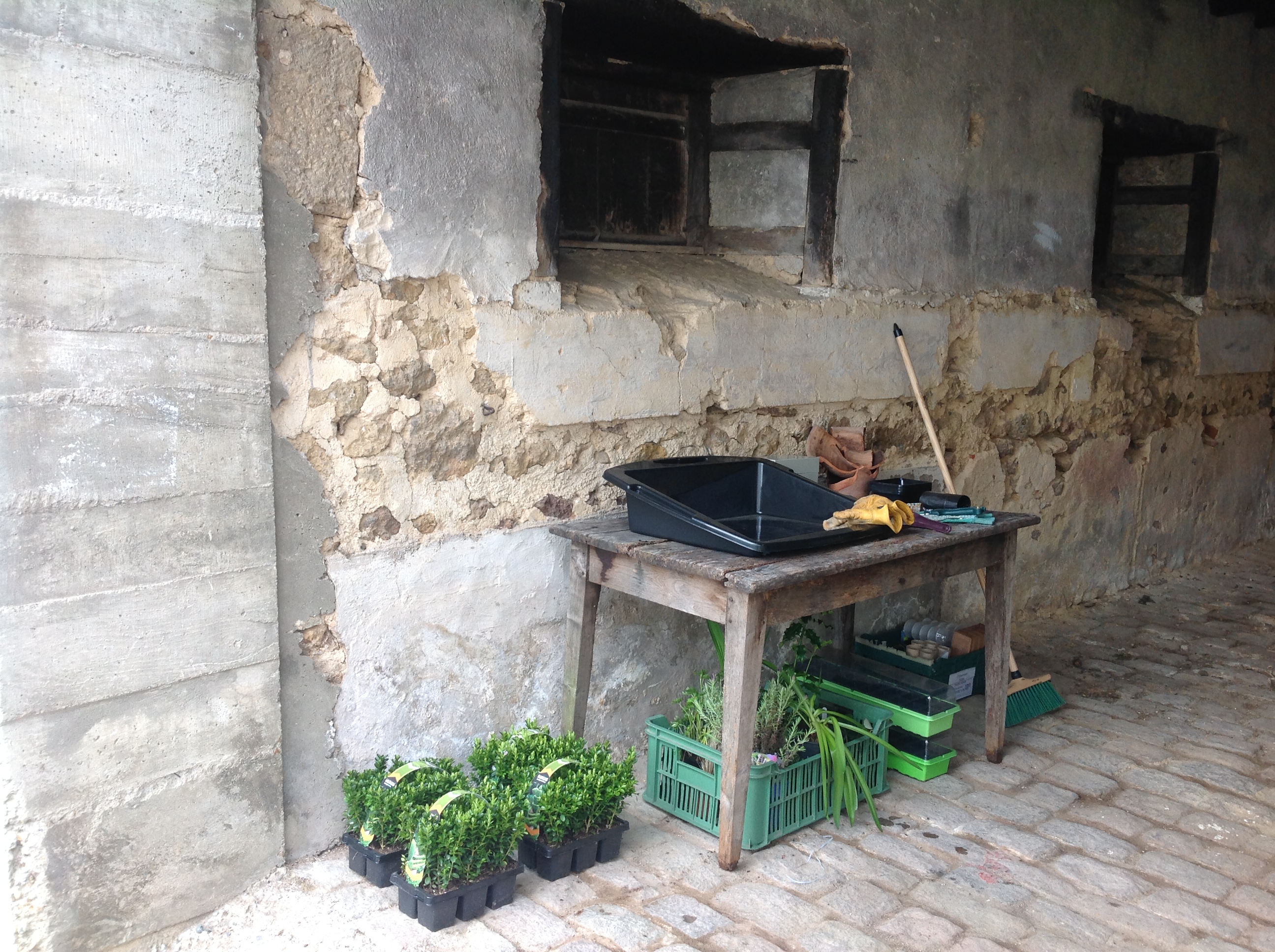
The first thing I did was rearrange the open part of the barn so that the logs are stored at the back next to kindling collected from around the garden. The previous owners left an old table at the back of the house so I’ve repurposed that and placed it in the front of the barn as a potting table. It has been a very busy week yet I’ve somehow managed to sow some tomatoes, French beans, lettuce and a selection of herbs. The rest will have to wait!

An army of family arrived on Thursday too and have wasted no time tackling the big garden jobs; over the last three days the beds have been weeded, the trees pruned and hedges shaped and the grass has been given a very good haircut by the village farmer’s 18 year old son. What was starting to look like a meadow is now a nicely manicured lawn… however, I am going to have to invest in a sit-on mower – that first cut took the poor chap four and a half hours with a small petrol mower! SCH

IMG_4394  IMG_4392 IMG_4380  IMG_4381  IMG_4456  IMG_4433  IMG_4429  IMG_4359

Exploring the house and garden

We are finally here. In France. In the house!

It is all we could have imagined, and much much more… It is BIG and echoey at the moment as there isn’t much furniture in it until the container arrives next week. But that doesn’t matter – it really is one big adventure.

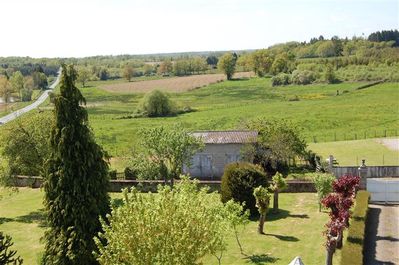
The previous owners are living near by and have been on hand to answer questions about the house as well as living in France. On Thursday we walked around the garden together taking notes of the various trees, shrubs and plants:

Climbers:
– Honeysuckle; Clematis (Montana); roses

Trees:
– Acer; yew; monkey puzzle; hazelnut; acacia; laurel; Christmas; Japenese maple

Shrubs:
– Holly; Magnolia; Lilac; privet hedge; box; copper beach; Rhododendron; roses; lavender; hydrangea; peony

Aromatic herbs:
– Sage; oregano; rosemary; curry plant; chives; mint; bay tree

Fruit trees and fruit:
– Apple tree; Mirabelle plum tree; cherry tree; fig tree; olive tree; grape vine; wild strawberries, kiwi, blackberry bush

Next steps are to draw a garden plan as well as work out where the allotment and compost heaps are going to go. My gardening-mad family arrive next week so no doubt they will want to help out! SCH
IMG_4351  IMG_4387  IMG_4364  IMG_4391

Latest auction buys and flea market finds

We’re nearing the end of our auction buying spree in the UK; next month we will be in France setting up the house (although no doubt on the look out for quirky furniture at one of the local brocantes). The other more practical reason is that the garage is close to capacity! Still, there have been a few great buys recently…

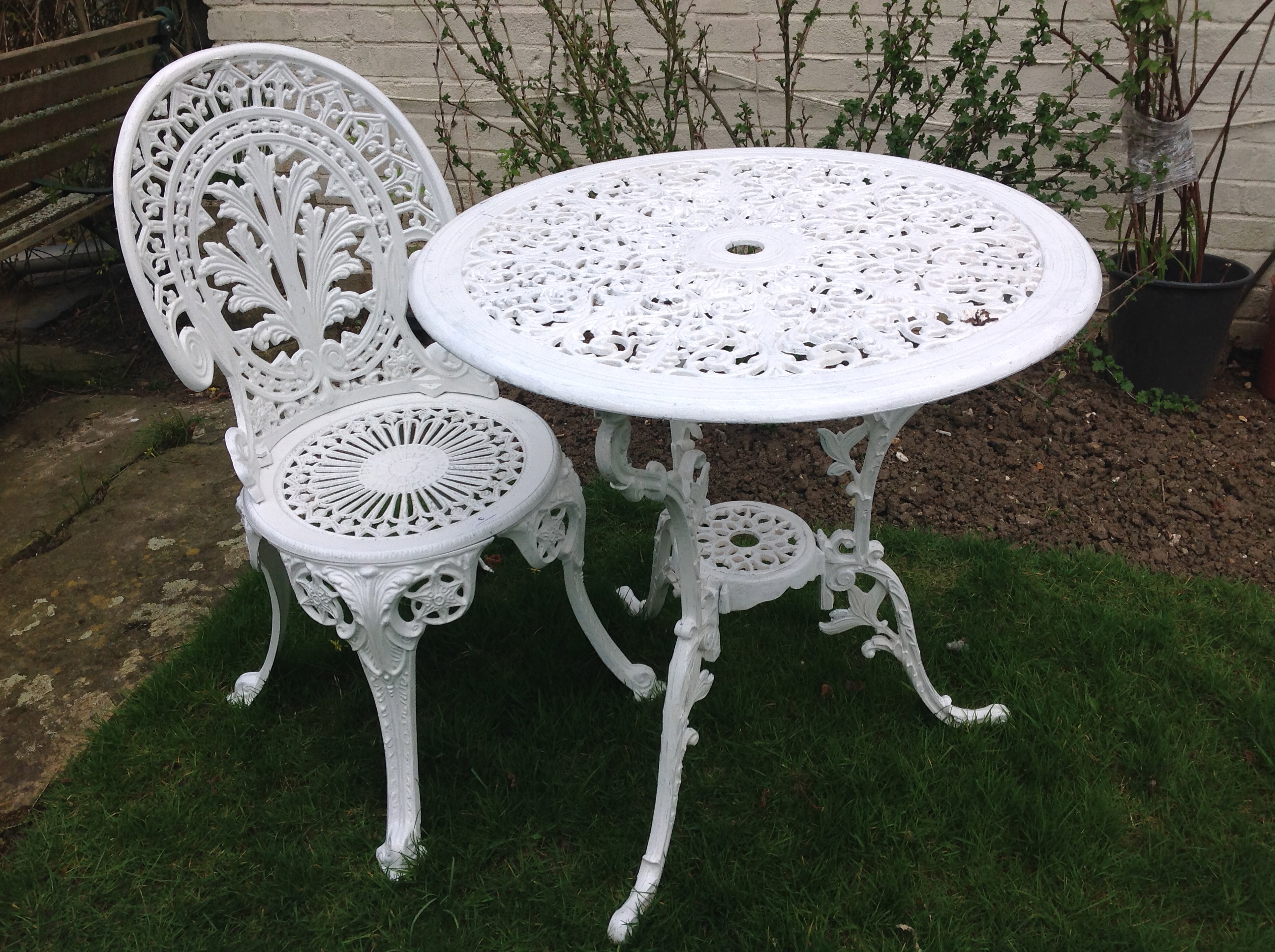
Take these cast iron tables (and chair) which have been on the hit list for months. We found one lonely table at our weekly auction (£3) and another table with one chair at the less frequent village auction (£25). So now I need to find a job lot of chairs without tables… (that’s half the fun).

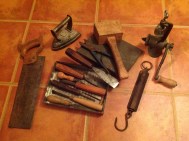
Other finds include a box of tools for re-upholstery (see below), a glass table with unusual brass bamboo legs from a local charity that reconditions furniture for sale to the public, as well as a pair of old prints in wooden frames. Unfortunately, I missed out on a box of vintage sewing patterns and ‘how to sew’ books that would have looked great in the Craft Room at Le Manoir. Never mind – there’s always next week! SCH

IMG_4205  IMG_2325  IMG_4204

Cakes, cookies, pastries and tray bakes

Over the last month we’ve been preparing and testing recipes for lazy afternoon tea at Le Manoir.

Here are the fourteen that made the list (in no particular order):

1. Carrot cake
2. Lemon drizzle cake
3. Chocolate brownies
4. Flapjacks
5. Custard tarts (see below – yummy!)
6. Jam tarts
7. Victoria sponge
8. Fruit tarts
9. Coffee and walnut cake
10. Scones
11. Cookies
12. Shortbread
13. Chocolate cake
14. Lemon curd tarts

What’s your favourite? Is there anything else you would you like to see on this list? SCH

IMG_2511  IMG_2513  IMG_2520 IMG_2521

The Great British Sewing Bee is back

I was really happy to see The Great British Sewing Bee back on our screens this week having recently completed a ten week dressmaking course, and now being in the middle of another term. The programme didn’t disappoint; ten new contestants of varying personalities, sewing experience and creative styles; three different sewing tasks; three types of common fabric: cotton, wool and silk.

Task one: a simple sleeveless, round-neck top in cotton / Task two: repurposing an ankle-length woollen skirt / Task three: making a made-to-measure silk nightie.

IMG_3962 IMG_3964 IMG_3967 IMG_3970 IMG_3971 IMG_3973 IMG_3975 IMG_3979

It’s amazing how many skills and techniques were covered by those three tasks in week one. Here are just a few that I jotted down:

  1. – Choosing the right fabric for the type of garment
  2. – Understanding how to treat / work with different fabrics
  3. – Measuring models and transferring measurements to patterns
  4. – Accurately marking, pinning and cutting out patterns
  5. – Matching fabric patterns (especially where it meets in the middle of a garment)
  6. – Adding darts / understanding body contours
  7. – Hand stitching (ladder stitch, etc.)
  8. – Understitching (e.g. necklines)
  9. – Rolling hems
  10. – Applying trims (e.g. lace)
  11. – Adding drama/impact
  12. – Following instructions and mManaging your time!

What have I missed out? Next week I’m sure the BBC will up the difficulty level. SCH

We’re changing names!

From today, ‘The Little Grange’ is simply to be known as Le Manoir Saint Gervais.

Initial feedback suggests The Little Grange doesn’t bear any relationship to the offering… a boutique B&B that also runs vintage craft courses… and was perhaps a tad confusing? I really value feedback and have taken on board these comments. We now have a new URL for the website (www.lemanoirsaintgervais.com) and will run the B&B business and courses together under that name. I must say it is starting to make life a whole lot easier!

With the name changed we now have a Pinterest account set up (www.pinterest.com/manoirstgervais) as well as a Facebook account (www.facebook.com/lemanoirsaintgervais).

I was very fond of The Little Grange as a flexible concept (The Little Barn; La Petite Grange, etc.), but recognise it came about very early in the development of the business when a UK property was still a distinct possibility. Who knows, maybe we will get to use the name one day in another part of the business?! SCH

IMG_0526 IMG_0537 IMG_0542 936030_597010860322883_151866844_n

Upholstery course: day two

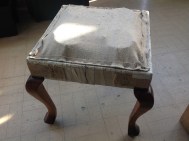
This is a progress update on the small stool I began re-upholstering last year (well, dismantling more like)!

I realised quite quickly that we had stapled the webbing to the wrong side of the chair last time round (fine if you are planning to build the seat up without springs – not so good if you have old springs to replace). So I began by taking off the webbing, cleaning up the woodwork and reapplying the webbing to the correct (under)side.

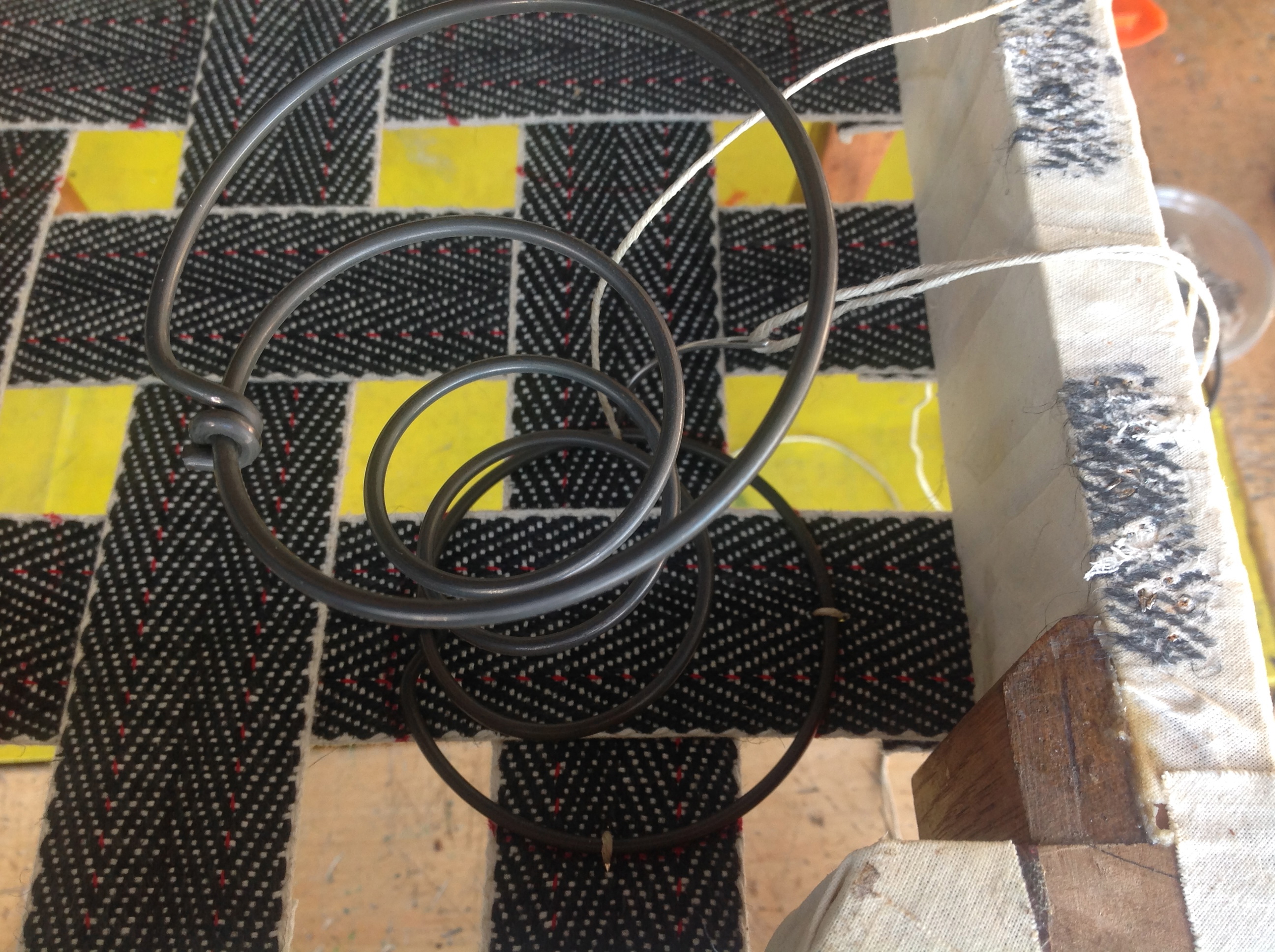
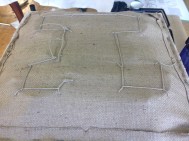
Next it was time to hand sew the springs to the webbing and create a sprung unit from the five springs by coercing them together with string. Then I nailed a layer of hessian to the frame – over the top of the springs – and hand sewed the springs under the fabric by ‘feel’.

That took most of the morning which meant the afternoon was spent hand sewing little cord pockets for the synthetic filling which would be tucked in to create part of the seat padding. The final step was to add another piece of hessian and secure with temporary tacks.

IMG_3719 IMG_3721 IMG_3723 IMG_3726 IMG_3733 IMG_3735IMG_3736 IMG_3738 IMG_3741 IMG_3742 IMG_3746 IMG_3751

This is as far as I got in seven hours. I am hoping that one more course day may bring me closer to the actual fabric cover! SCH